Max Elevation
5050m and 4700m

Group Size
Min.1 Pax

Duration
10 Days

Difficulty
Easy-Moderate

Accomodations
Hotels/Lodges

Meals
L.D.B

Best Seasons
March-May & Sept-Nov

Transportation
Vehicles and Bus

Region
Langtang Region
Discover the beauty of Nepal’s Langtang region on this 10-day guided Langtang Valley Trek from Kathmandu.
This Langtang Valley Trek combines mountain scenery, local culture and rewarding high-altitude hiking without requiring domestic flights.
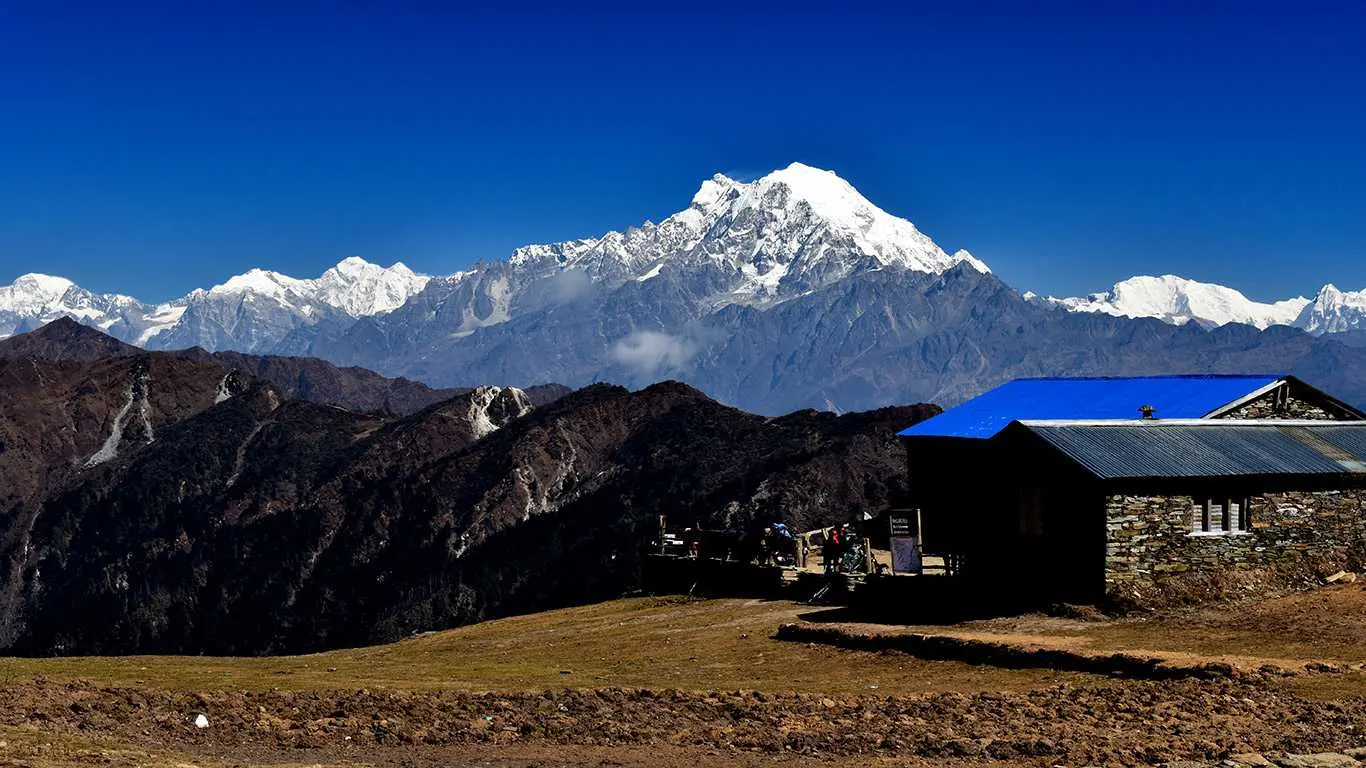
Journey through lush forests, traditional Tamang villages and dramatic alpine landscapes as you follow the Langtang River into the heart of Langtang National Park, reaching Kyanjin Gompa beneath the towering peaks of Langtang Lirung.
One of the most accessible Himalayan treks from Kathmandu, this adventure begins with a scenic 7–8-hour drive to Syabrubesi. At Kyanjin Gompa, explore the local monastery, cheese factory and bakery, or take an optional hike to Kyanjin Ri or Tserko Ri for panoramic views of the Langtang Himalaya.
For a longer adventure, consider our 16-day Langtang and Gosainkunda trek or the 14-day Tamang Heritage with Langtang route. If you want a shorter option, explore our 9-day Helambu trek. All are part of our Langtang region treks.
The Langtang Valley Trek is a good option for travellers who want to experience Himalayan landscapes and local culture on a guided trek without committing to a longer expedition.
The main route involves several days of uphill and downhill walking, generally around 5–6 hours a day, with some longer days. A reasonable level of fitness and preparation for walking on uneven mountain trails are important.
The optional viewpoint hikes require additional effort at altitude:
You do not need to attempt either viewpoint to enjoy Kyanjin Gompa and the surrounding valley. Your guide should help you decide which option is appropriate based on your condition, weather and trail conditions.
| Day | Route | Overnight | Time / distance |
| 1 | Arrive Kathmandu | 1,350m | – |
| 2 | Drive Kathmandu to Syabrubesi | ~1,500m | 7–8 hrs, ~130 km |
| 3 | Syabrubesi to Lama Hotel via Bamboo | ~2,470m | ~6 hrs, 11–12 km |
| 4 | Lama Hotel to Mundu via Langtang Village | 3,543m | ~6 hrs, ~ 7–8 km |
| 5 | Mundu to Kyanjin Gompa | 3,870m | 3–4 hrs, ~ 6–7 km |
| 6 | Tsergo Ri or Kyanjin Ri and return | 3,870m | 6–7 hrs, ~14 km |
| 7 | Kyanjin Gompa to Lama Hotel | ~2,470m | 5–6 hrs, 14–15 km |
| 8 | Lama Hotel to Syabrubesi | ~1,500m | ~5 hrs, 11–12 km |
| 9 | Drive Syabrubesi to Kathmandu | 1,350m | ~7 hrs, ~130 km |
| 10 | Departure | – | – |
Scroll down to check our detailed itinerary below.
We rate the Langtang Valley Trek Moderate. The trail is clear and mostly forest and valley path, but it is not an easy walk, and the altitude profile matters more than the distances suggest.
Tell your guide at the first sign of headache, nausea, dizziness or unusual breathlessness, and never push through symptoms. If you are not well enough for Tsergo Ri, you stay at Kyanjin or take the shorter hike.
Why we keep 10 days? The schedule has no separate rest day, so pacing matters. Your guide sets a steady pace from Day 4, checks how you are feeling each evening, and only takes you up Tsergo Ri on Day 6 if you are well.
If you are not, you take the shorter Kyanjin Ri hike or rest at Kyanjin Gompa and still complete the trek. If you want a slower build-up, our 16-day Langtang and Gosainkunda trek adds more days.
Spring and autumn are generally the most favourable seasons for trekking in Langtang.
Conditions vary from year to year. Check the latest weather, road and trail information before departure, particularly if you plan to hike to Tserko Ri.
For more details, see our Best Time to trek in Nepal guide.
The Langtang Valley Trek requires a Langtang National Park Entry Permit and, according to the permit requirements provided, a TIMS card.
Permits can be arranged in Kathmandu or at designated trail checkpoints. Bring your original passport and sufficient Nepalese rupees.
Note: Permit fees and regulations can change. Confirm the latest requirements with your trekking agency before departure.
Pack comfortable trekking essentials and warm layers for changing mountain temperatures. Here’s what to bring for your 10-day Langtang adventure:
| Category | Recommended items |
| Clothing | Moisture-wicking base layers, trekking trousers, fleece, a warm down jacket and waterproof jacket and pants |
| Footwear | Comfortable, well-broken-in trekking boots, warm socks and camp shoes or sandals |
| Accessories | Warm hat, gloves, sun hat, sunglasses and sunscreen |
| Trekking gear | Daypack, reusable water bottles, headlamp, trekking poles and a rain cover |
| Personal essentials | Toiletries, personal medication, basic first-aid supplies, hand sanitizer and quick-drying towel |
| Documents and money | Passport, required permit documents, travel insurance details and enough Nepalese rupees for personal expenses |
Tip: Temperatures can drop significantly at higher elevations, especially around Kyanjin Gompa and during optional hikes to Kyanjin Ri or Tserko Ri. Pack suitable warm layers and check the seasonal forecast before departure.
Your guide can advise you on additional equipment based on the season and current trail conditions. For a more detailed list, check out our Complete Packing List for trekking guide.
Join our 10-day trek and experience breathtaking views, traditional villages, and the peacefulness of one of Nepal’s most scenic trails or explore other treks below!
Upon arrival at Tribhuvan International Airport in Kathmandu, you’ll be welcomed by Save Mountain Treks & Expedition representative and transferred to your hotel. This day is reserved for rest and acclimatization after your journey. Kathmandu, the vibrant capital of Nepal, offers a fascinating mix of ancient temples, bustling markets, and rich cultural heritage. You can spend your time exploring the local area, preparing for the trek ahead, or simply relaxing and getting accustomed to the new time zone and altitude.
In the evening, you’ll have a briefing session where your guide will provide an overview of the trek, including the route, safety protocols, and what to expect in the coming days. This is also a great opportunity to ask any questions
You’ll embark on a scenic drive from Kathmandu to Syabrubesi, a small town that serves as the gateway to the Langtang Valley. The drive, which takes approximately 7-8 hours, covers a distance of 130 km and offers stunning views of the countryside and the Ganesh Himal range. As you travel, you’ll pass through picturesque villages, terraced fields, and winding roads that offer glimpses of rural Nepali life.
Day 3 involves a trek from Syabrubesi to Lama Hotel, passing through Bamboo. This trek covers a distance of 11-12 km and takes about 6 hours. As you ascend, the landscape transforms from lush forests to more rugged terrain, and you’ll be treated to the sounds of the Langtang River and the vibrant flora of the region. The trek offers a chance to witness the changing scenery and the gradual approach to higher altitudes.
Lama Hotel is a well-known stop along the Langtang trail, providing a comfortable place to rest. The area is named for the local Lama who used to reside here, and it offers basic lodging and dining facilities. The evening is an ideal time to relax, enjoy a warm meal, and prepare for the next day’s trek.
On Day 4, you’ll hike from Lama Hotel to Mundu, passing through Langtang Village. This trek covers a distance of 7-8 km and takes around 6 hours. The route takes you through terraced fields and traditional villages, with Langtang Village being a notable highlight. As you trek, you’ll witness the resilience of the local communities and enjoy views of the surrounding peaks.
Mundu, at an altitude of 3,543 meters, is a beautiful village with stunning views of the Langtang Valley. This is where you will stay for the night, and the evening offers an opportunity to explore the village, interact with locals, and enjoy the peaceful atmosphere of this high-altitude settlement.
Day 5 involves a trek from Mundu to Kyanjin Gompa, located at 3,830 meters. This section of the trek covers 6-7 km and takes 3-4 hours. As you ascend, you’ll notice the changing landscape, with increasingly dramatic views of the surrounding peaks. Kyanjin Gompa is a significant cultural and spiritual site, known for its ancient monastery and stunning panoramic views.
Once you reach Kyanjin Gompa, you’ll have the rest of the day to explore the area. The Gompa is surrounded by majestic peaks and offers a serene environment for reflection and acclimatization. This is a great place to relax and enjoy the breathtaking scenery, preparing for the challenging hike to higher altitudes the following day.
Day 6 is dedicated to a hike to either Tsergo Ri or Kyanjin Ri, both of which offer spectacular panoramic views of the Langtang region. The trek to Tsergo Ri (5,050 meters) or Kyanjin Ri (4,400 meters) is a challenging yet rewarding experience, covering a distance of 14 km and taking 6-7 hours. The ascent offers breathtaking views of the Langtang range and other surrounding peaks.
After reaching the summit, you’ll return to Kyanjin Gompa, where you can rest and enjoy the serene high-altitude environment. The day is an opportunity to take in the majestic landscapes and appreciate the natural beauty of the Langtang Valley before retracing your steps back to your lodge for a well-deserved rest.
On Day 7, you’ll retrace your steps from Kyanjin Gompa to Lama Hotel. This return trek covers 14-15 km and takes about 5-6 hours. The journey back provides a chance to reflect on the incredible experiences of the previous days while enjoying the familiar scenery from a different perspective.
Upon reaching Lama Hotel, you’ll have the evening to relax and recuperate from the trek. This is a good time to review your adventure, share stories with fellow trekkers, and prepare for the final leg of the journey back to Syabrubesi.
Day 8 involves descending from Lama Hotel back to Syabrubesi. This trek covers 11-12 km and takes approximately 5 hours. The descent offers a different view of the landscape, with a focus on the lush greenery and the tranquil riverbanks. The trek back provides a reflective end to the high-altitude trekking experience.
Upon arrival in Syabrubesi, you’ll have time to rest and relax, enjoying the last night in the village. This is an opportunity to appreciate the comfort of the lower altitudes and prepare for the journey back to Kathmandu the following day.
On Day 9, you’ll drive from Syabrubesi back to Kathmandu. This drive takes approximately 7 hours and covers a distance of 130 km. The journey back to the capital offers a final opportunity to enjoy the scenic views of the Nepali countryside and reflect on the trekking experience.
Upon arrival in Kathmandu, you can check into your hotel and spend the evening at leisure. This is a time to relax, explore the city, and perhaps do some last-minute shopping or sightseeing before the trip concludes.
On the final day, you’ll be transferred from your hotel to Tribhuvan International Airport for your departure. This is the end of your Langtang Valley adventure, and you’ll bid farewell to Nepal with memories of the stunning landscapes, cultural experiences, and the rewarding trek. Your journey ends as you board your flight, taking with you the unique experiences and stories from the Langtang Valley.
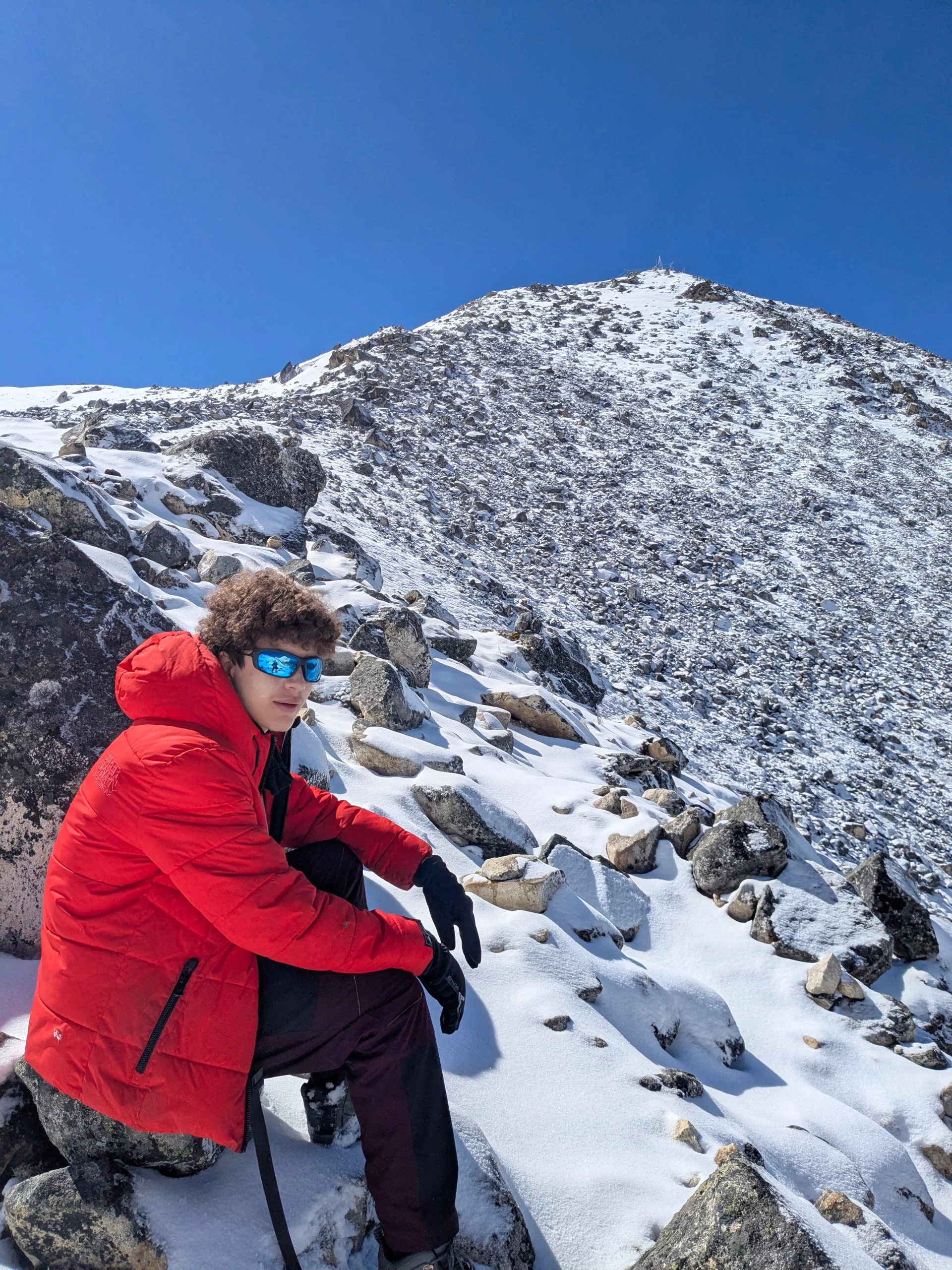
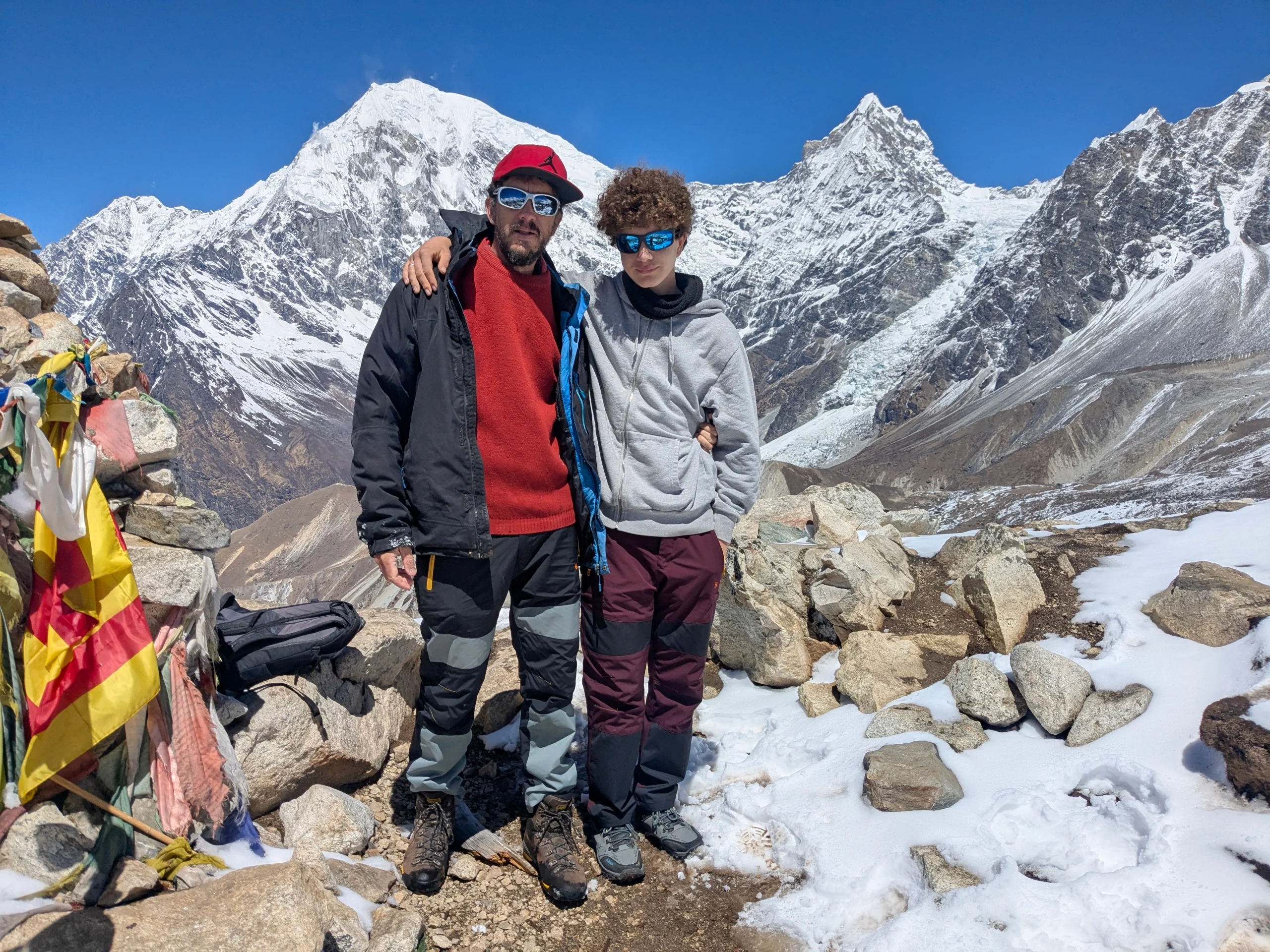
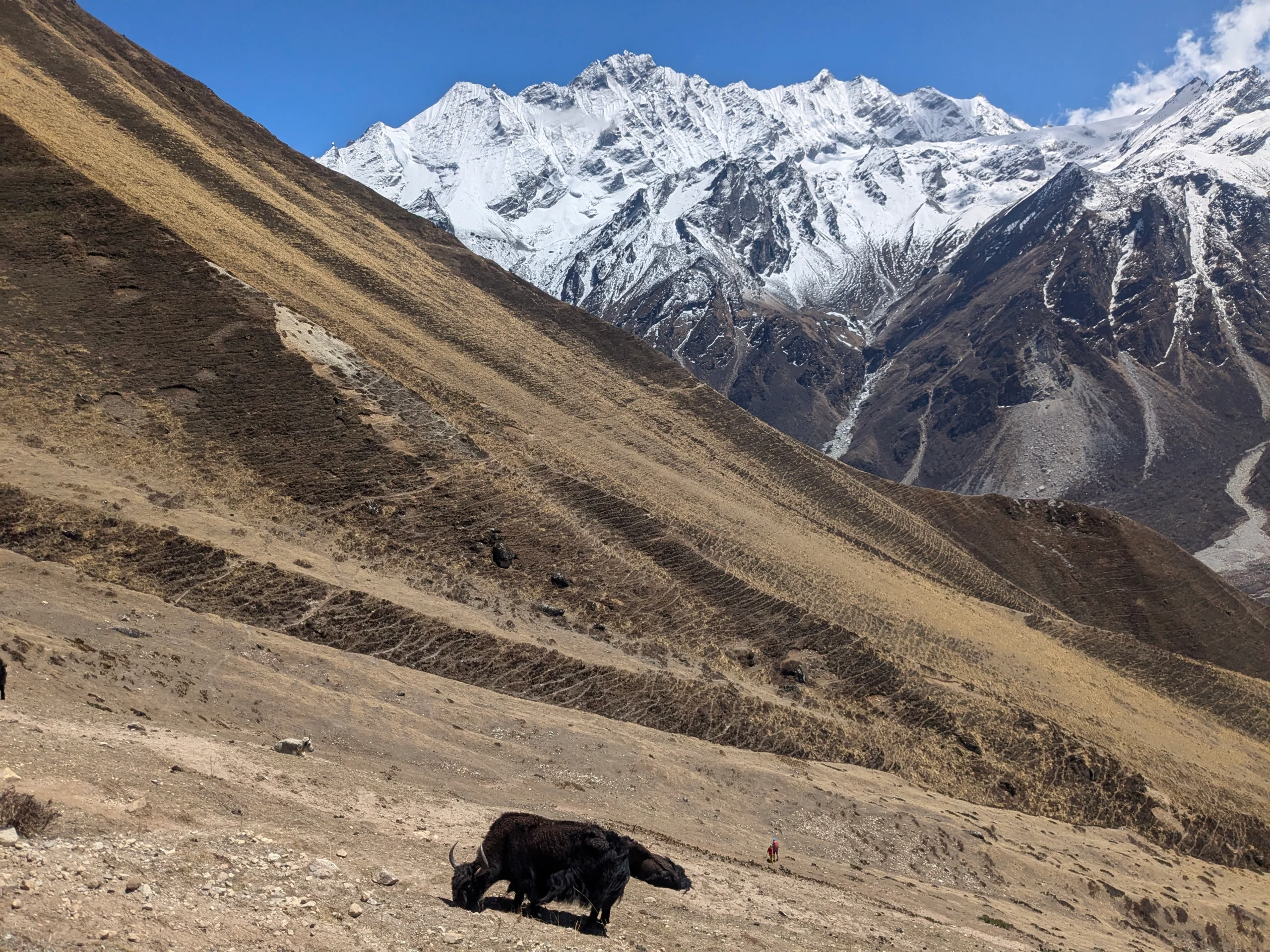
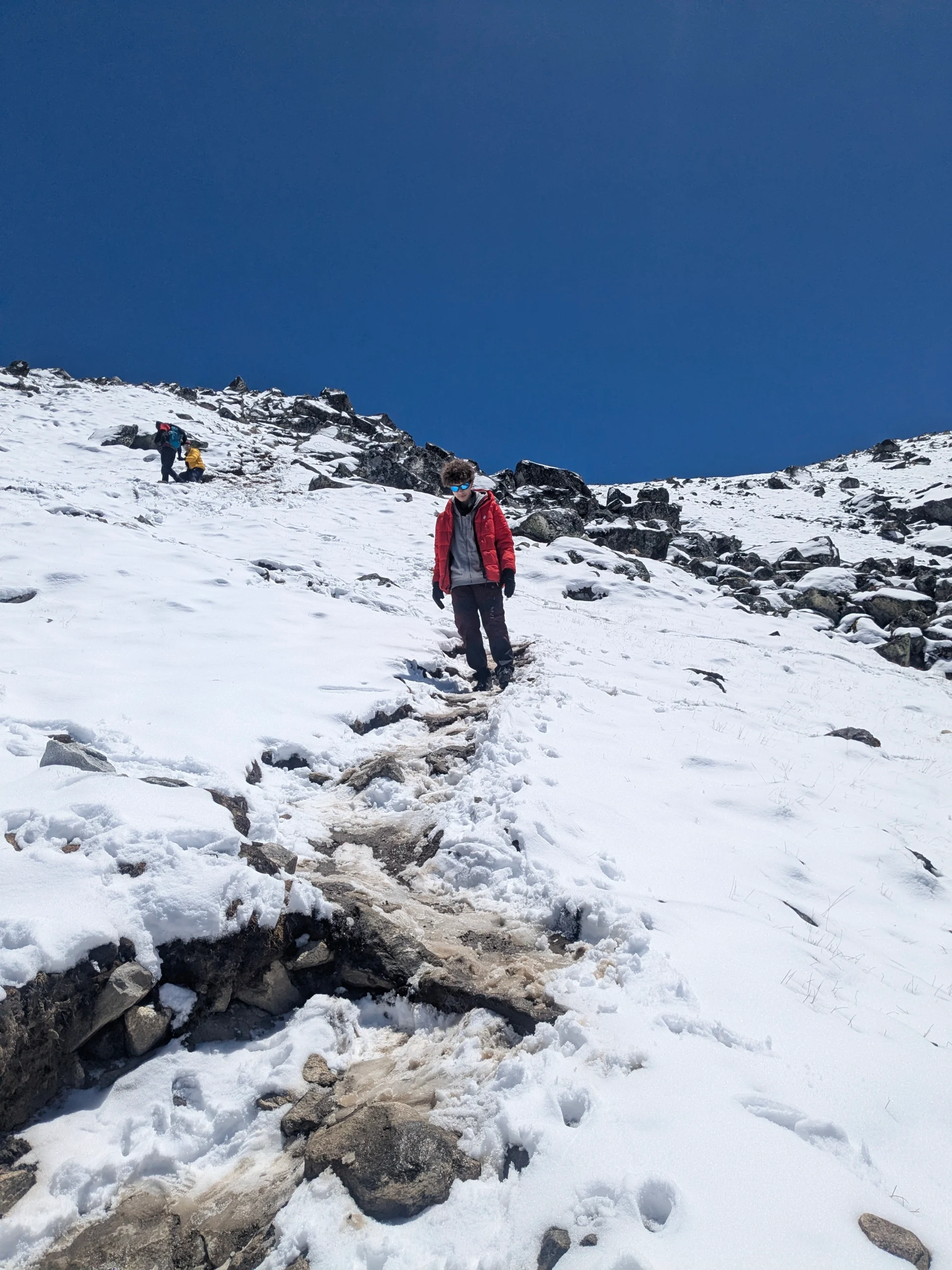
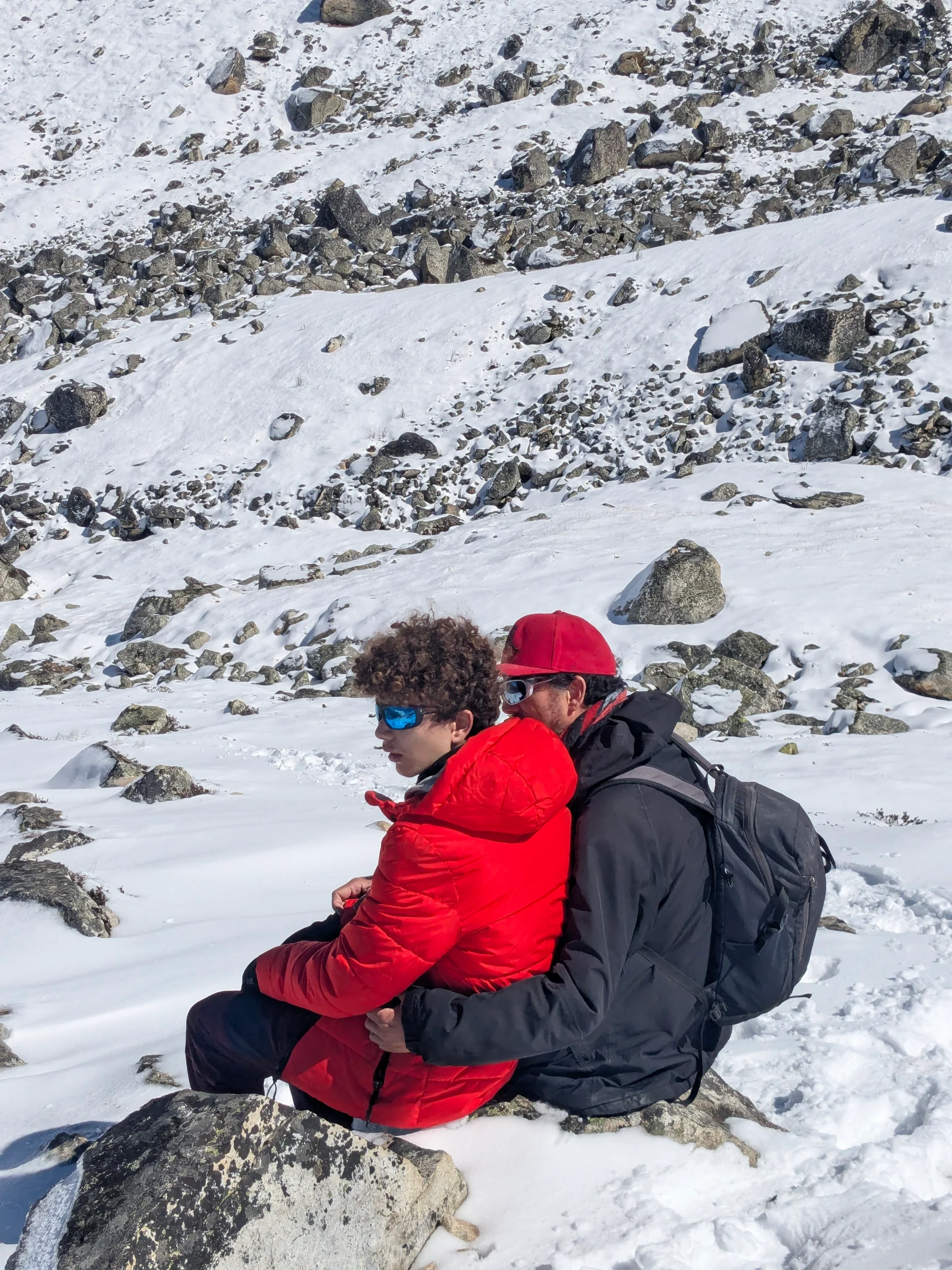
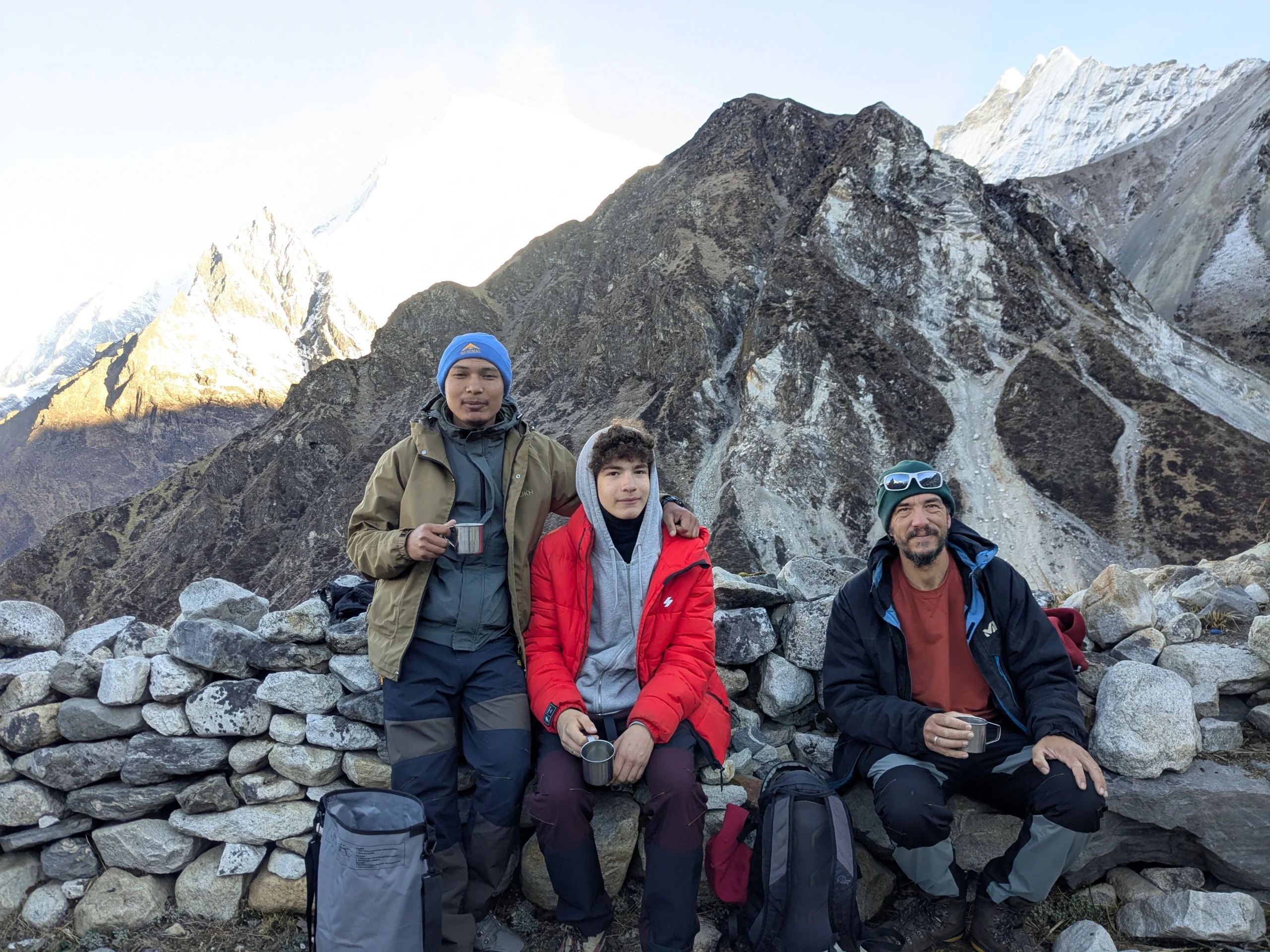
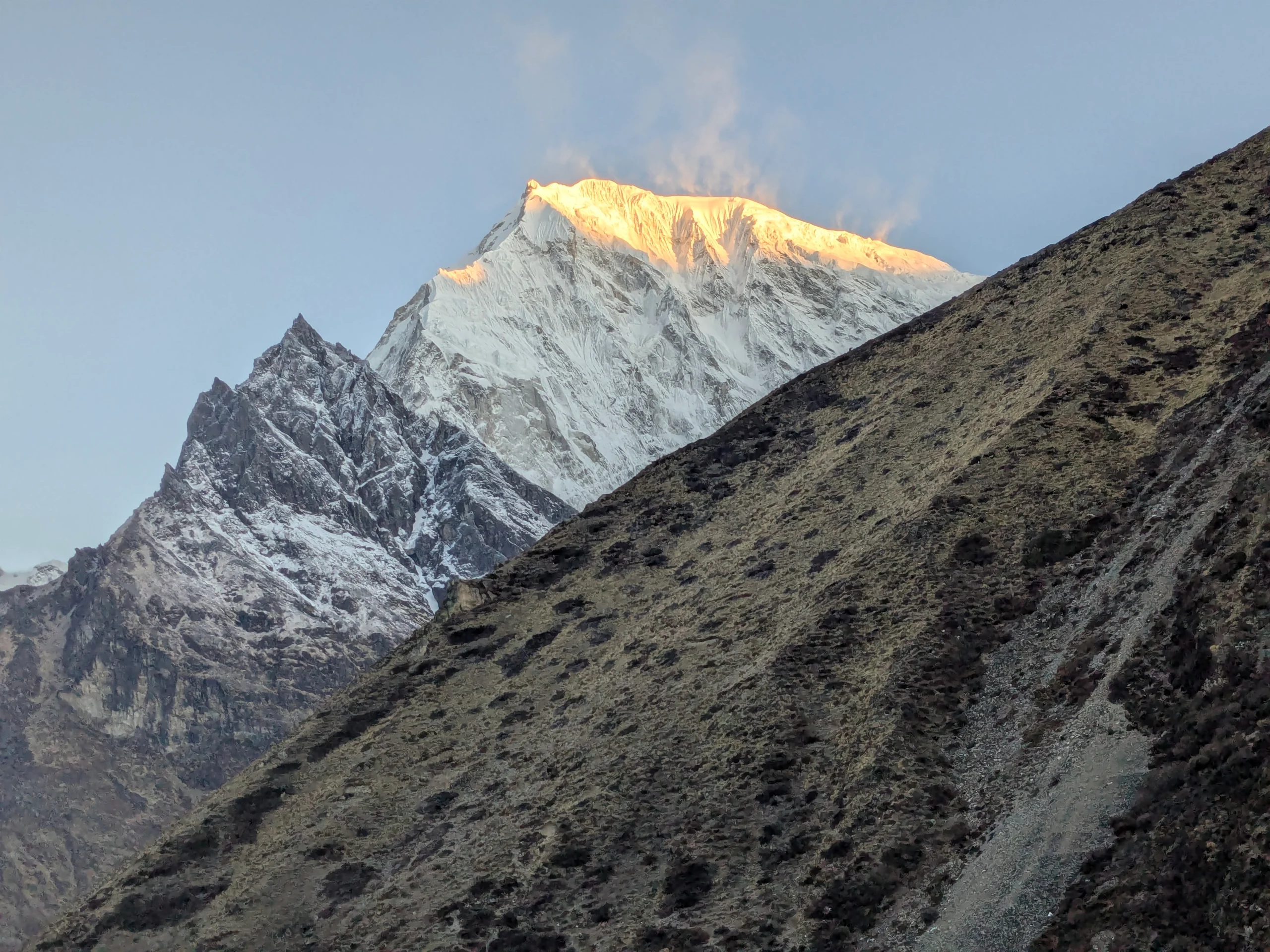
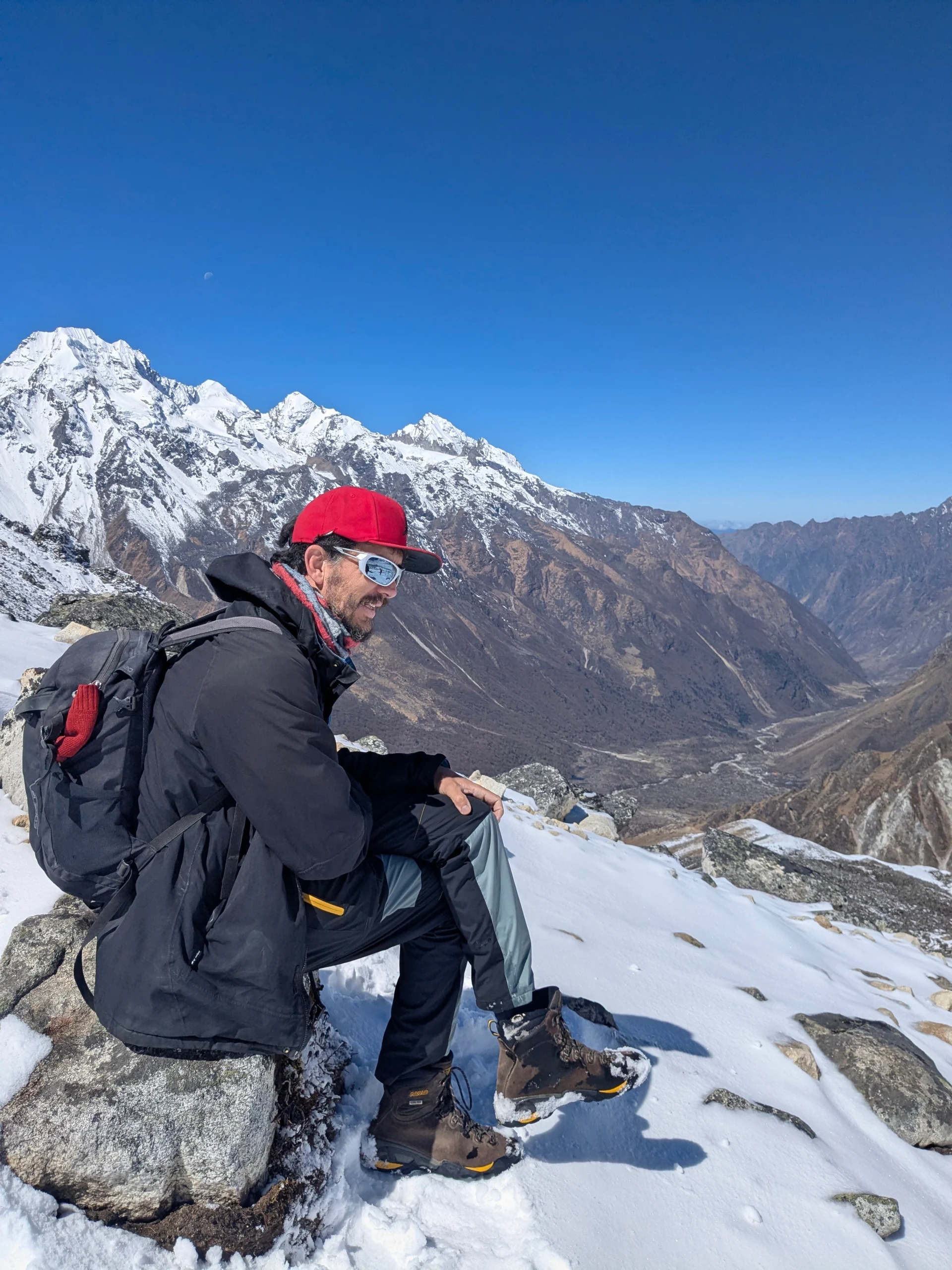
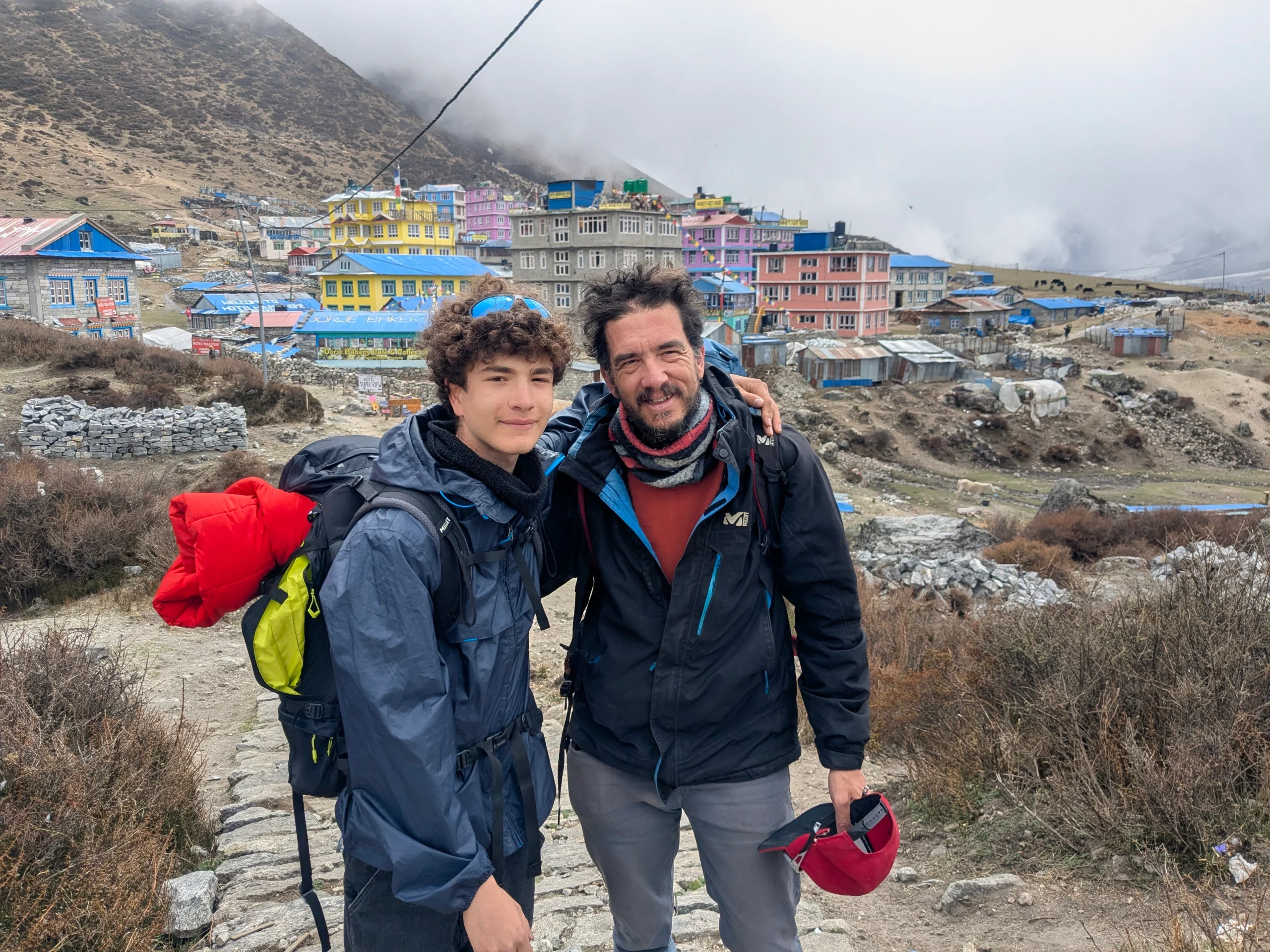
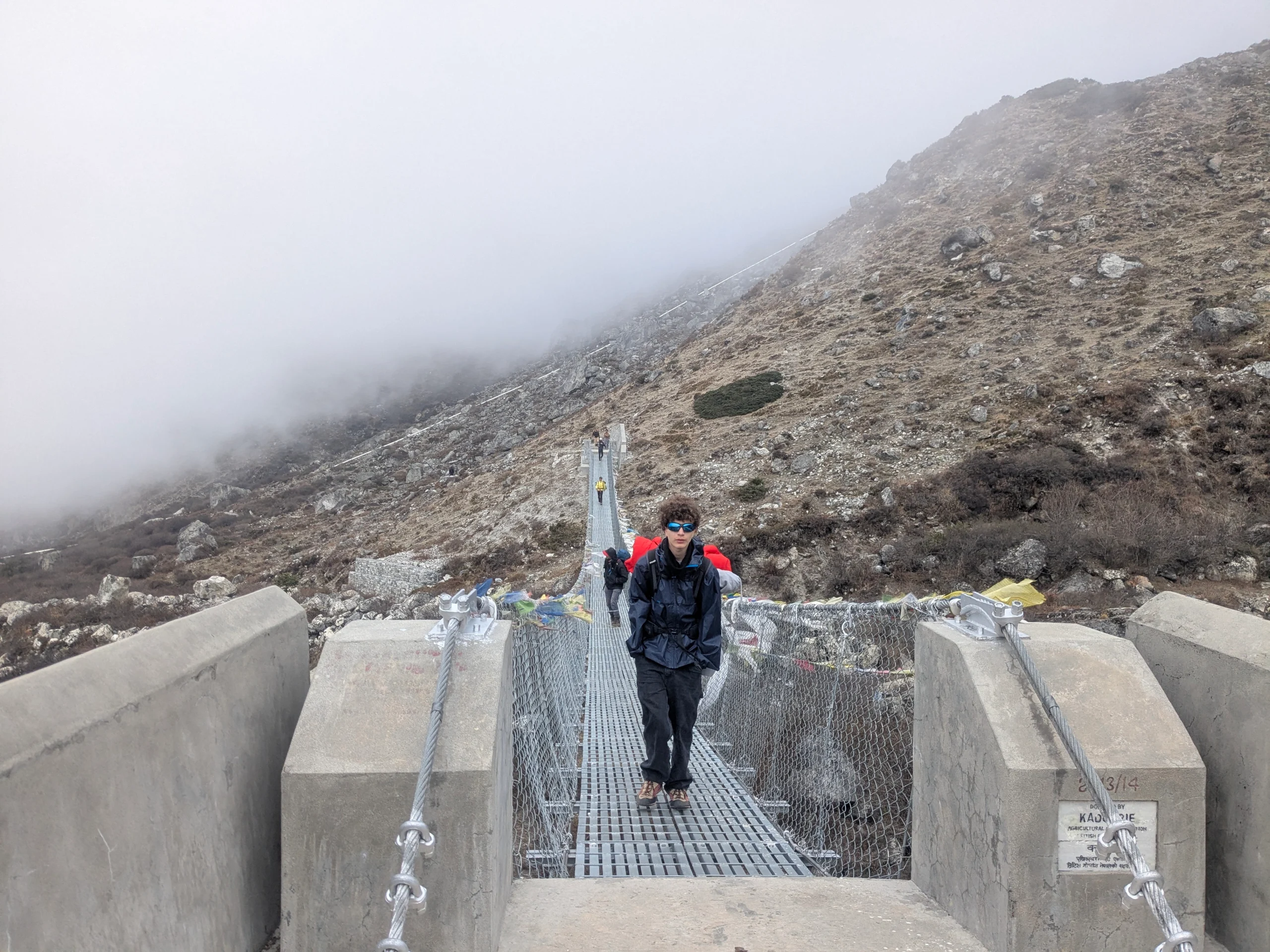
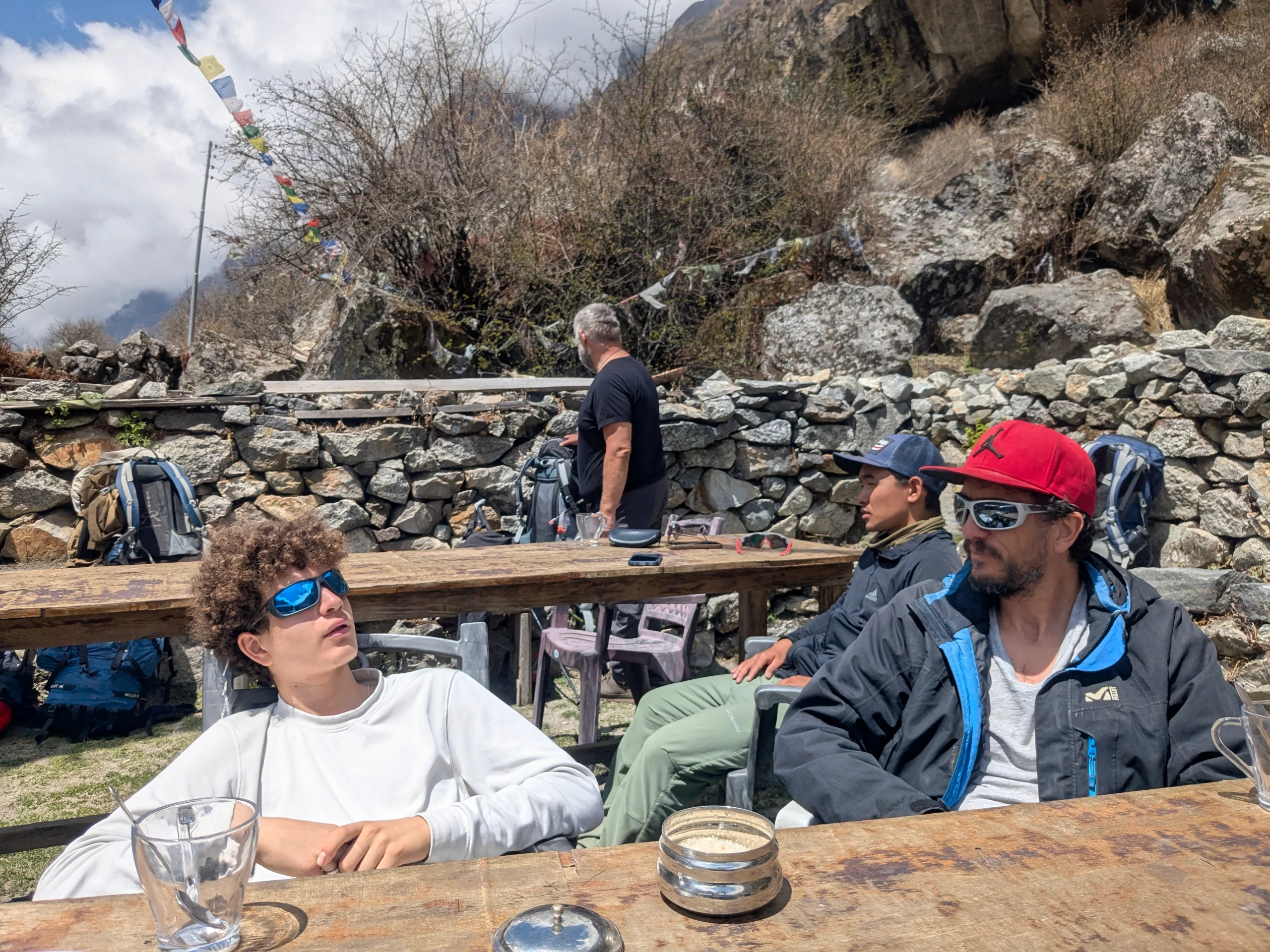
The Langtang Valley is located in the Rasuwa District of Nepal, bordering Tibet to the north. It lies within Langtang National Park, about 51 km (32 miles) north of Kathmandu.
The Langtang Valley Trek is considered a moderate trek. It is suitable for trekkers with a decent level of fitness, as it involves walking 5-7 hours a day, including uphill and downhill sections. While it’s not as challenging as the Everest Base Camp trek, altitude gain and rugged terrain can make it moderately strenuous.
The highest point of the trek is the optional Tsergo Ri (5050m) hike or Kyanjin Ri (4700m). However, most trekkers stay overnight at Kyanjin Gompa (3915m).
Yes, altitude sickness can be a concern as the trek rises above 3,500m. It is crucial to ascend gradually, stay hydrated, and acclimatize properly. Pay attention to any symptoms of altitude sickness (headache, nausea, dizziness), and inform your guide immediately if you feel unwell.
The Langtang Valley Trek is generally safe, but like all trekking in high altitudes, there are risks such as altitude sickness and weather-related challenges. Trekking with a guide ensures better safety. Also, after the 2015 earthquake, the trekking routes have been restored, and it is safe to trek in the region again.
It can suit reasonably fit beginners who prepare adequately and trek at a manageable pace with appropriate guidance. The optional high-altitude viewpoint hike may be challenging for first-time trekkers, so choosing the right option is important.
The trek offers deep cultural immersion with the Tamang and Tibetan communities. You’ll see ancient Buddhist monuments like chortens, Mani walls, and Kyanjin Gompa, a sacred monastery where locals perform daily rituals. The trek also highlights the resilient spirit of the Langtang people, especially after the 2015 earthquake.
No. Tserko Ri is optional. You can choose Kyanjin Ri as an alternative or skip both viewpoints and enjoy Kyanjin Gompa and the surrounding valley.
A Langtang National Park entry permit is required. Confirm the applicable permit requirements and any additional documentation with Save Mountain Treks before departure.
The package specifies twin-sharing lodge accommodation during the trek and two nights at a three-star-category hotel in Kathmandu with breakfast. Lodge facilities vary by location, and amenities such as hot showers and Wi-Fi may cost extra.
The itinerary uses road transportation between Kathmandu and Syabrubesi, the starting point for trekking. Public bus transport is included in the listed package; private transportation is available at an additional cost.
Booking Form